

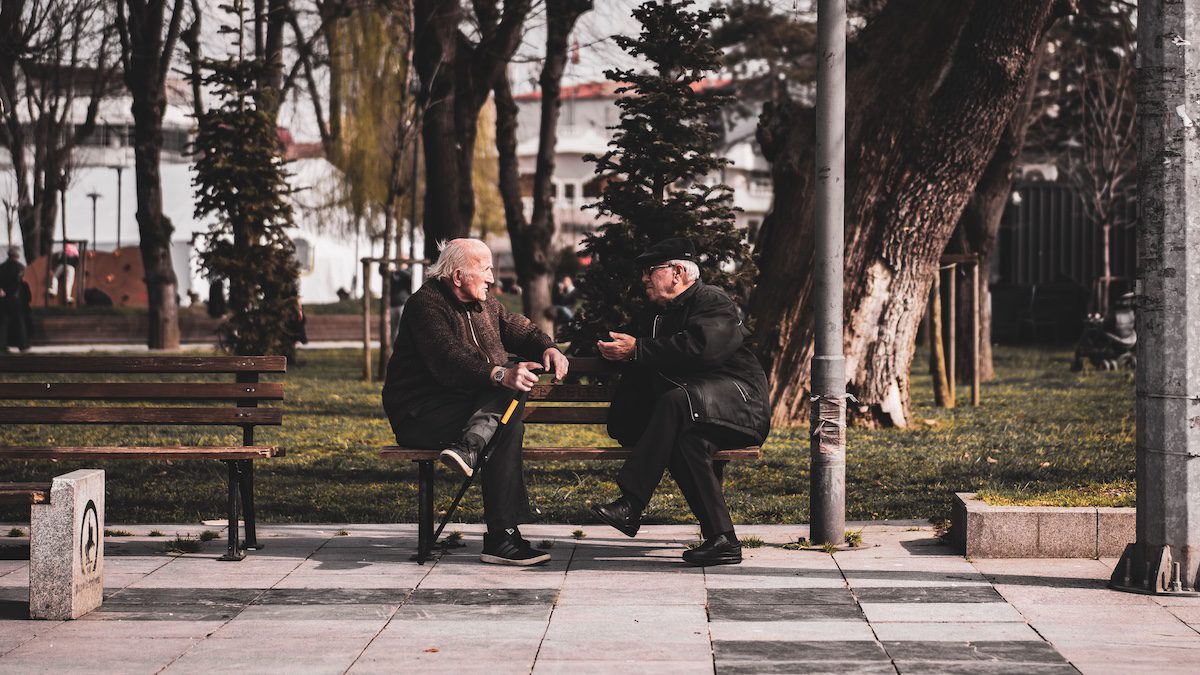
Staying connected with others is an important part of feeling well at any age. For older adults, however, maintaining social connections can become more difficult over time.
Retirement, the loss of a spouse or close friends, health challenges, limited mobility, and changes in living arrangements can all affect how often seniors interact with others.
While spending time alone is not necessarily a problem, ongoing social isolation can have a meaningful impact on senior health and well-being. Older adults who lack regular social contact may face increased risks to their physical health, emotional well-being, and overall quality of life.
Understanding how social isolation affects seniors can help families recognize the warning signs and find meaningful ways to support connection as their loved ones age.
What Is Social Isolation in Older Adults?
Social isolation occurs when someone has limited contact with other people or few meaningful social connections. It may involve living alone, rarely participating in activities, or having little interaction with family, friends, or the community.
Social isolation is different from loneliness, although the two often overlap. A person can have limited social contact without feeling lonely, while someone who regularly interacts with others may still feel lonely or disconnected.
For seniors, isolation can develop gradually. A loved one may stop attending church, give up a favorite hobby, or spend more time at home because driving has become difficult. Over time, fewer opportunities for social interaction can lead to a smaller support network.
How Social Isolation Affects Senior Health
Social connections are more than a source of companionship. They can encourage healthy habits, provide emotional support, and help older adults stay engaged with daily life.
When those connections become limited, several areas of health may be affected.
1. Increased Risk of Depression and Anxiety
One of the most recognized effects of social isolation in seniors is its impact on mental health. Regular interaction gives older adults opportunities to share their feelings, talk through concerns, and feel valued by others.
Without those connections, some seniors may experience persistent sadness, worry, or a loss of interest in activities they once enjoyed. They may also feel forgotten or believe they are a burden to their families.
Social isolation does not automatically cause depression or anxiety, but it can contribute to emotional distress and make existing mental health concerns more difficult to manage.
2. Changes in Cognitive Health
Social interaction provides opportunities for conversation, memory recall, problem-solving, and engagement with the world around us. These activities help keep the mind active.
When older adults have fewer opportunities to interact with others, they may also have fewer opportunities for this kind of mental stimulation.
Research has linked social isolation and loneliness with a higher risk of cognitive decline and dementia.
Although the relationship is complex and does not mean isolation directly causes dementia, maintaining social connections is one way seniors can support overall cognitive health.
3. Effects on Physical Health
Social isolation can affect physical well-being, too. Older adults who spend most of their time alone may be less motivated to prepare balanced meals, stay physically active, or maintain regular routines.
For example, a senior who once enjoyed cooking for family may begin skipping meals when eating alone. Someone who used to walk with a neighbor may become less active after that relationship changes.
4. Poorer Sleep and Increased Stress
Feeling disconnected can contribute to ongoing stress, worry, and disrupted sleep. Some seniors may spend more time thinking about their health, finances, family relationships, or changes in their independence when they have fewer people to talk with.
Poor sleep can affect energy, mood, concentration, and the ability to manage everyday responsibilities.
Common Causes of Social Isolation in Seniors
There is rarely just one reason an older adult becomes socially isolated. Several life changes and circumstances may contribute, including:
- Loss of a spouse or close friends: Grief can make socializing difficult, especially when a loved one was a senior’s primary companion.
- Limited mobility: Arthritis, chronic illness, balance concerns, or other physical limitations can make it harder to leave home.
- Hearing or vision changes: Communication may become more challenging, causing some seniors to withdraw from conversations and group activities.
- Transportation challenges: Giving up driving or losing access to reliable transportation can limit opportunities to visit friends, attend appointments, or participate in community events.
- Retirement: Leaving the workplace can mean losing daily conversations, familiar routines, and relationships with coworkers.
- Changes in family circumstances: Relatives may move away, become busy with work and caregiving responsibilities, or be unable to visit as often.
Recognizing these factors can help families understand why a loved one may be spending more time alone.
Signs a Senior May Be Experiencing Social Isolation
Social isolation does not always look the same from one person to another. Some older adults may openly express loneliness, while others may not mention how they feel.
Families and caregivers can watch for changes such as:
- Less interest in hobbies or favorite activities
- Fewer phone calls, visits, or social outings
- Spending most days alone
- Changes in mood, including sadness or irritability
- Reduced attention to personal care or household routines
- Changes in eating or sleeping habits
- Reluctance to ask for help or participate in activities
These signs can have many possible explanations, including medical or emotional concerns. If changes are persistent or affect daily life, a conversation with a healthcare professional can help identify what may be happening.
Practical Ways to Help Seniors Stay Connected
Preventing social isolation does not always require major changes. Small, consistent opportunities for connection can make a meaningful difference.
Make regular contact. Schedule phone calls, video chats, or visits. A predictable check-in gives seniors something to look forward to and helps families stay aware of changes in their loved one’s well-being.
Encourage familiar activities. Help older adults continue hobbies and interests they enjoy. Reading groups, gardening clubs, faith communities, exercise classes, and volunteer opportunities can create natural opportunities to meet people.
Address transportation barriers. If driving is no longer an option, explore family transportation, community transportation programs, or local services that help seniors get to appointments and social activities.
Include seniors in everyday life. Invite older loved ones to family meals, celebrations, errands, or simple activities at home. Feeling included can help reinforce that they remain an important part of family life.
Consider additional support. Senior centers, adult day programs, community organizations, and volunteer visitors may offer companionship and structured opportunities for social interaction.
The best approach depends on the person’s interests, health, comfort level, and preferences. Some seniors enjoy group activities, while others prefer one-on-one visits or quiet time with a familiar person.
Helping Seniors Maintain Connection and Well-Being
Social isolation is not simply a matter of having fewer people around. It can affect how older adults feel, function, and experience everyday life.
Regular social interaction can support emotional well-being, encourage healthy routines, and help seniors maintain a sense of belonging and purpose.
As seniors age, their social needs may change, but the importance of connection does not disappear. Helping older adults feel included, supported, and valued is an important part of protecting their quality of life.


